
HCDI Certified Indexer
Chapter 14. A working checklist, as a study aid
Source note
Source basis - S2, physical PDF page 12.
general professional knowledge, built from Units 2.2 to 2.11. This is a study aid, not an HCDI controlled checklist. Before you upload: is the indicator named, the date it speaks from stated, the description factual and the party right? Before you tag: have you read it, and would you stand behind the status? Before you submit: is anything untagged, and is every request provided or missing? Before you escalate: have you recorded the conflict in writing, with the sources? Before you record an integrity matter: is the category the one that matches what you suspect, and have you named no more people than needed?
Checklists reduce omission
Basis - general professional knowledge and editorial explanation. External references are identified explicitly; this section adds no HCDI rule.
A checklist should test an observable quality, not just presence. A tick does not establish truth or replace reading. A useful personal study aid records the check, exception and owner of a correction. The pilot working checklist remains a study aid rather than a controlled HCDI checklist.
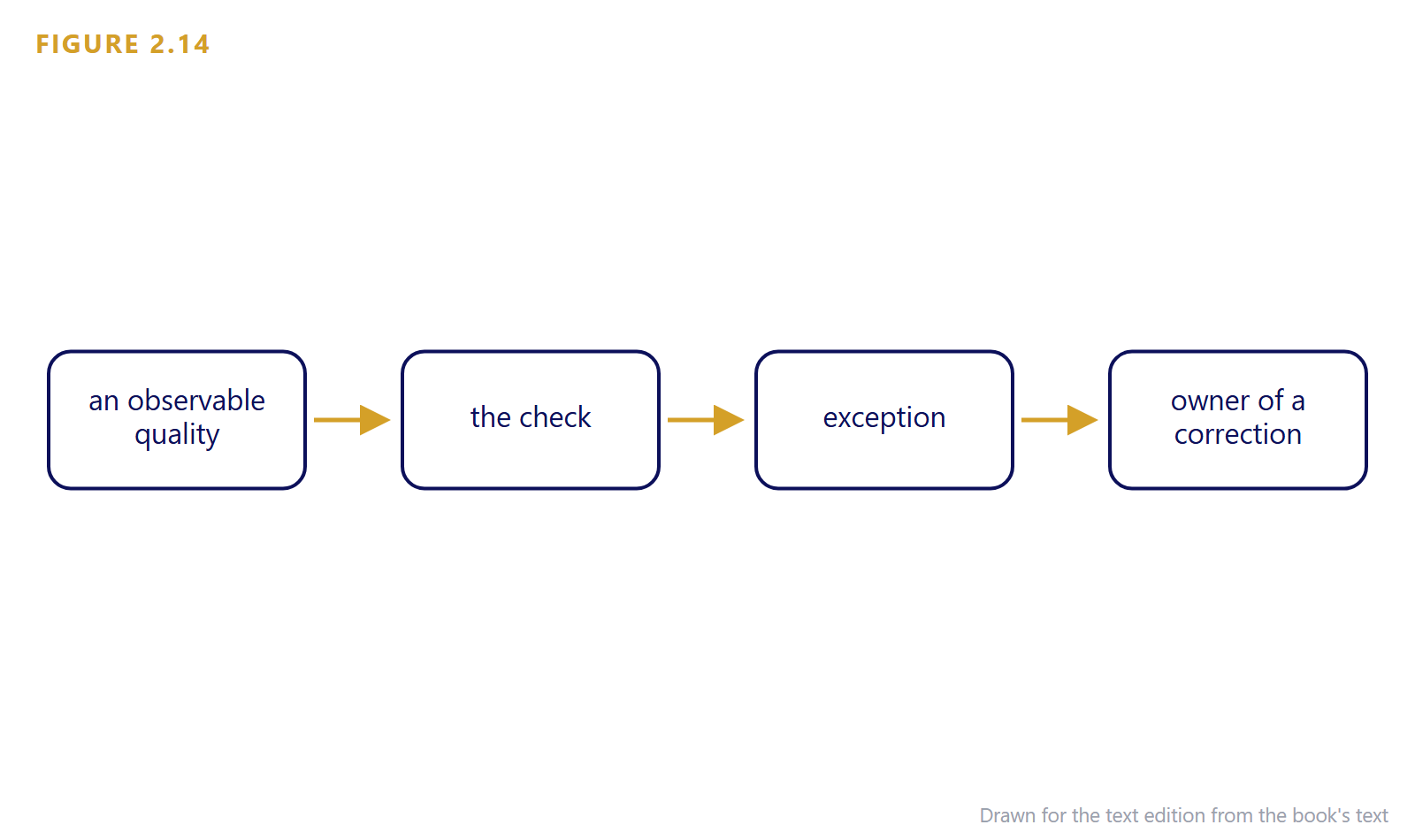
Figure 2.14 Checklists reduce omission. Original conceptual illustration; arrows organise the discussion and do not establish a validated causal effect or a scoring procedure.
Original exercise L2 E14
Basis - original fictional exercise. The organisation, events and any numbers are invented for learning. No HCDI result is assigned.
A trainee ticks all checks because files exist. Two descriptions contain instructions; one date is a receipt date; one attribution is missing.
| Analytical task | Learner response required |
| Observation | Identify what the stated record directly establishes. |
| Inference | State the interpretation that still needs support. |
| Alternative | Identify a plausible alternative or missing context. |
| Authority | Identify the relevant credential or role boundary. |
Question - What did the checklist miss?
Worked answer: Part G, exercise L2 E14.