
HCDI Certified Indexer
Chapter 12. Chain of custody
Source note
Source basis - S2, physical PDF page 11.
general professional knowledge. Chain of custody is the record of who held a piece of evidence, when, and what was done to it. It matters because evidence that has passed through uncertain hands is weaker. In practice an Indexer keeps working notes that match what was uploaded, does not alter originals, and can say how each item reached the engagement. This chapter describes the general idea. It does not describe how the platform records custody, and none of it should be read as a statement about the platform.
Evidence Check. For each item, can you say how it reached you, and that it has not changed since?
Handling history makes later questions answerable
Basis - general professional knowledge and editorial explanation. External references are identified explicitly; this section adds no HCDI rule.
A custody history distinguishes an original from a derivative. A file hash can compare byte sequences but cannot establish truthfulness. The pilot does not provide a dedicated custody-log feature. Do not misrepresent a personal study log as a mandatory HCDI form or insert handling notes into a document-description field.
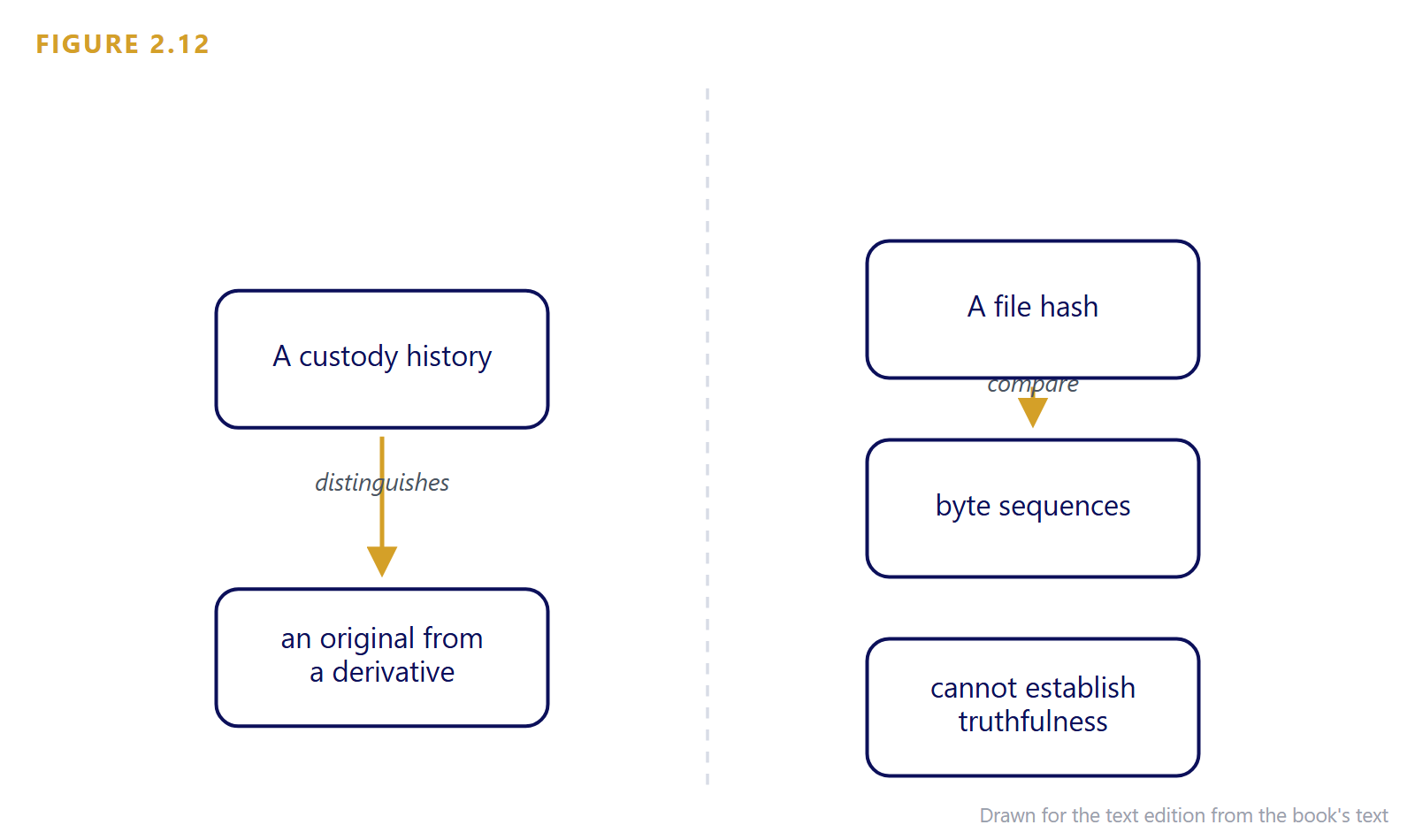
Figure 2.12 Handling history makes later questions answerable. Original conceptual illustration; arrows organise the discussion and do not establish a validated causal effect or a scoring procedure.
Original exercise L2 E12
Basis - original fictional exercise. The organisation, events and any numbers are invented for learning. No HCDI result is assigned.
An analyst exports a spreadsheet to PDF and retains only the PDF. A formula discrepancy is later disputed.
| Analytical task | Learner response required |
| Observation | Identify what the stated record directly establishes. |
| Inference | State the interpretation that still needs support. |
| Alternative | Identify a plausible alternative or missing context. |
| Authority | Identify the relevant credential or role boundary. |
Question - What was lost?
Worked answer: Part G, exercise L2 E12.