
HCDI Certified Independent Reviewer
Chapter 8. Professional scepticism and bias
Source note
Source basis - S4, physical PDF page 9.
general professional knowledge. Scepticism is a questioning mind and a habit of looking for what might be wrong, without assuming that it is. The common failures are confirmation (seeking what supports the conclusion already reached), anchoring (leaning on the first number seen), deference (accepting a conclusion because a senior person reached it), and fatigue (reading less carefully as the pile grows). A reviewer is especially exposed to deference, because the work comes from another firm and may arrive with a confident covering note. A useful discipline is to read the evidence and the conclusion separately, then compare them, instead of reading the conclusion first. Common Error. Reading the conclusion first and then looking for evidence to fit it.
Scepticism tests alternatives
Basis - general professional knowledge and editorial explanation. External references are identified explicitly; this section adds no HCDI rule.
A questioning mind is different from assuming dishonesty. Confirmation seeks support for an existing view; anchoring gives the first number undue influence; deference substitutes seniority for evidence. Fatigue can weaken attention. A deliberate comparison of evidence and conclusion can expose unsupported steps without turning the reviewer into the scorer.
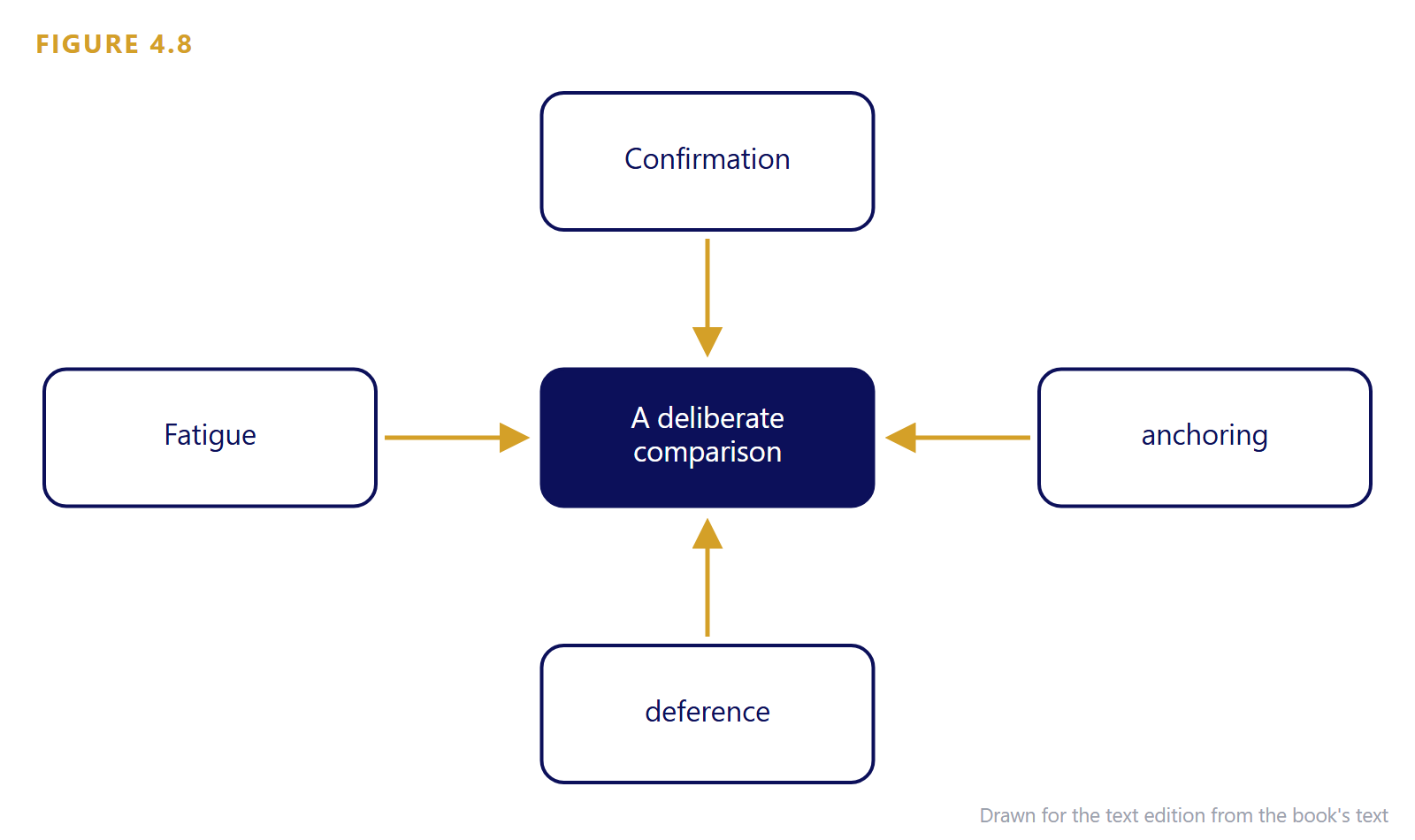
Figure 4.8 Scepticism tests alternatives. Original conceptual illustration; arrows organise the discussion and do not establish a validated causal effect or a scoring procedure.
Original exercise L4 E08
Basis - original fictional exercise. The organisation, events and any numbers are invented for learning. No HCDI result is assigned.
A prominent partner supplies a confident summary before the reviewer opens the evidence. A conflicting date is dismissed as immaterial without explanation.
| Analytical task | Learner response required |
| Observation | Identify what the stated record directly establishes. |
| Inference | State the interpretation that still needs support. |
| Alternative | Identify a plausible alternative or missing context. |
| Authority | Identify the relevant credential or role boundary. |
Question - What bias risks are present?
Worked answer: Part G, exercise L4 E08.