
HCDI Foundation Certificate
Chapter 2. Culture in transactions
Source note
Source basis - S1, physical PDF page 8.
external academic referenceexternal academic reference (Schein & Schein, 2017); HCDI pillar P1, Corporate Culture Alignment. Schein describes culture at three levels: the visible things people can see and hear, the values an organisation says it holds, and the basic assumptions people no longer notice because they act on them without thinking (Schein & Schein, 2017). The gap between the second and third levels is where trouble hides. An organisation can say it values openness and still punish the person who brings bad news. In a transaction two such cultures meet. The first pillar of the Index, Corporate Culture Alignment, concerns how well the people and practices of the organisations involved line up. This manual does not describe how HCDI reads its indicators. That is Methodology Protected and is studied inside the controlled learning environment.
Board Perspective. A mission statement is a statement of values. It is not evidence of how decisions are made. Ask for examples of decisions and who made them.
Further reading. Schein & Schein (2017).
Culture appears in consequential choices
Basis - general professional knowledge and editorial explanation. External references are identified explicitly; this section adds no HCDI rule.
A routine can have several explanations. A long approval chain may reflect mistrust, regulation or a temporary emergency. Interpret practices in context before attributing a shared assumption to an entire organisation. Schein and Schein distinguish visible manifestations, declared values and deeper assumptions. That distinction encourages testing public values against consequential behaviour; it supplies no HCDI scoring criteria. [R3]
A target may resolve customer problems informally while its acquirer needs documented approval across many sites. The useful question concerns which tasks need consistency and where discretion remains valuable. Similarity can reproduce a shared blind spot; difference can supply complementary capabilities. Teams and occupations within one company may also have different experiences. Nationality is not an organisational diagnosis.
Compare specific episodes: an exception, a customer complaint or a report of bad news. Examine what happened afterward. A leader stating a value and an employee quoting that leader do not independently establish that the value operates in practice.
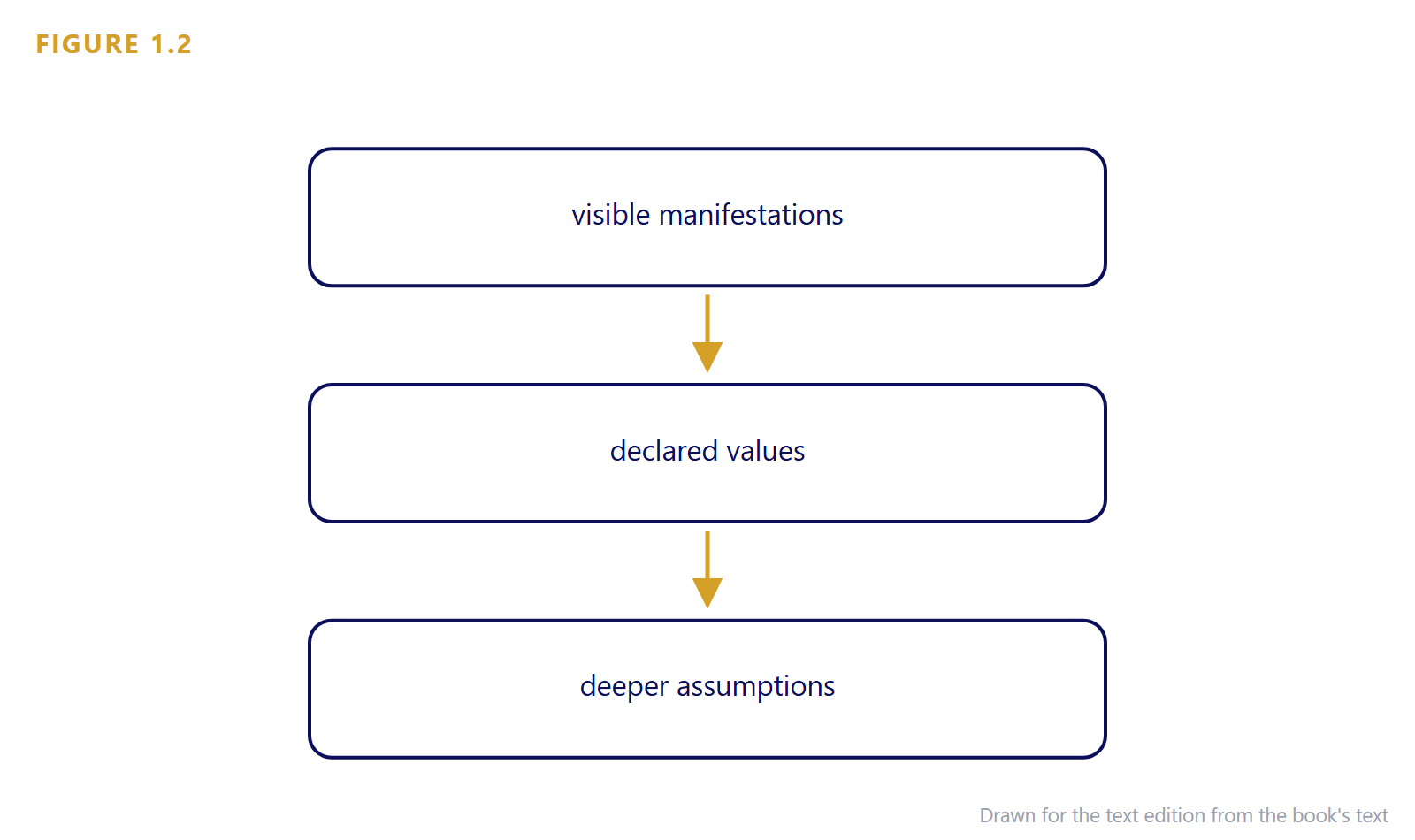
Figure 1.2 Culture appears in consequential choices. Original conceptual illustration; arrows organise the discussion and do not establish a validated causal effect or a scoring procedure.
Original exercise L1 E02
Basis - original fictional exercise. The organisation, events and any numbers are invented for learning. No HCDI result is assigned.
North Quay Systems promotes experimentation. Managers request alternatives in product meetings but blame the first person who reports a defect in two incident reviews. The acquirer labels the target open after reading its brochure.
| Analytical task | Learner response required |
| Observation | Identify what the stated record directly establishes. |
| Inference | State the interpretation that still needs support. |
| Alternative | Identify a plausible alternative or missing context. |
| Authority | Identify the relevant credential or role boundary. |
Question - What narrower conclusion is defensible?
Worked answer: Part G, exercise L1 E02.