
HCDI Foundation Certificate
Chapter 12. Target Fit, at a non-proprietary level
Source note
Source basis - S1, physical PDF page 13.
general professional knowledge; HCDI governance rule (Unit 1.8, party editions). In a two-party transaction, such as a merger, an acquisition or a joint venture, the people of two organisations will have to work together. A decision-user wants to know how well they are likely to fit. An HCDI engagement on a two-party transaction produces a Full view covering every party, and a party edition for each party, which covers that party's actions and the joint ones. The structure lets each party see its own position without seeing the other's. Protected content is excluded. This manual therefore describes no fit score and no compatibility arithmetic. Do not assume one exists.
General compatibility concerns shared work
Basis - general professional knowledge and editorial explanation. External references are identified explicitly; this section adds no HCDI rule.
Two organisations can use different routines successfully if their interfaces are clear. First identify the tasks that must be shared and their constraints. A fast product cycle and formal approval may concern different work. This general discussion does not supply an HCDI Target Fit score, compatibility arithmetic, protected instrument or reconstructed method.
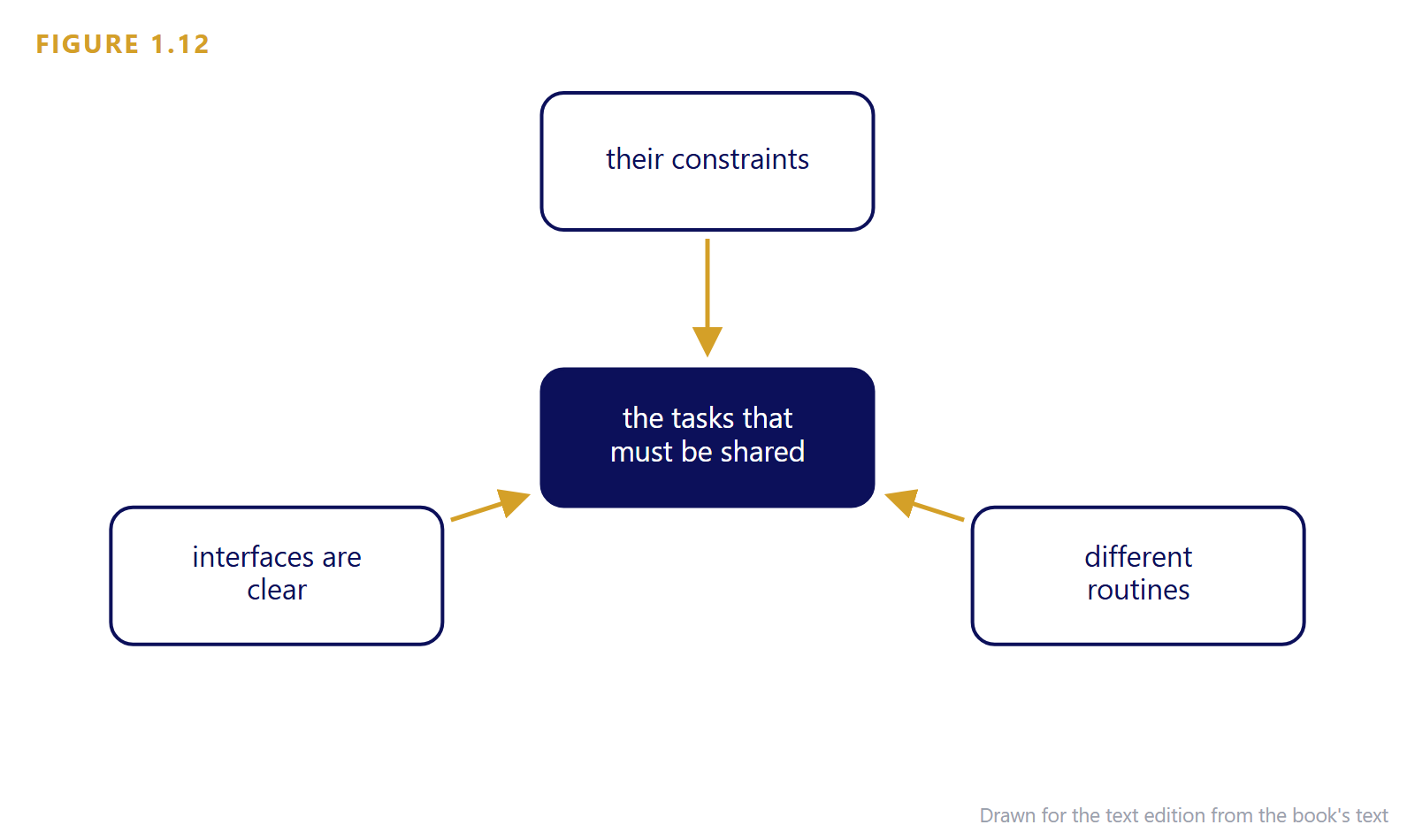
Figure 1.12 General compatibility concerns shared work. Original conceptual illustration; arrows organise the discussion and do not establish a validated causal effect or a scoring procedure.
Original exercise L1 E12
Basis - original fictional exercise. The organisation, events and any numbers are invented for learning. No HCDI result is assigned.
An acquirer releases software weekly. Its target changes regulated specifications only after formal approval. Executives call them incompatible before identifying shared systems.
| Analytical task | Learner response required |
| Observation | Identify what the stated record directly establishes. |
| Inference | State the interpretation that still needs support. |
| Alternative | Identify a plausible alternative or missing context. |
| Authority | Identify the relevant credential or role boundary. |
Question - What is a narrower question?
Worked answer: Part G, exercise L1 E12.